
Howie Mandel has spent decades entertaining audiences as a comedian, television host, and judge on major reality competition shows. Known for his quick wit, energetic presence, and humor-driven approach to life, Mandel often appears confident and upbeat in front of the camera. However, behind the public persona lies a long and openly discussed struggle with obsessive-compulsive disorder (OCD) and anxiety—conditions he has managed since childhood.
In recent years, Mandel has spoken candidly in interviews and televised appearances about how mental health challenges affect his daily life, even as he continues to succeed professionally. His openness has helped bring greater public awareness to OCD, a condition that affects millions of people worldwide.
A Public Figure and a Private Struggle
Mandel’s career spans stand-up comedy, scripted television, game shows, and talent competitions. He first rose to prominence in the early 1980s and has remained a consistent presence in entertainment ever since. Despite this success, Mandel has repeatedly explained that being in the spotlight does not eliminate personal struggles.
According to interviews with People magazine and discussions on nationally syndicated talk shows, Mandel has described anxiety as a constant part of his life. While audiences often see him laughing and engaging comfortably with others, he has emphasized that this outward confidence does not always reflect his internal experience.
Mental health professionals note that this contrast is common, as anxiety and OCD are not always visible to others, particularly when individuals develop coping mechanisms that allow them to function in demanding careers.

Understanding Obsessive-Compulsive Disorder
The Mayo Clinic defines obsessive-compulsive disorder as a condition characterized by recurring, unwanted thoughts and repetitive behaviors that individuals feel driven to perform. These patterns can interfere with daily life and cause significant emotional distress.
In Mandel’s case, reputable interviews have consistently described long-standing fears related to contamination and intrusive thoughts. These experiences predate the global pandemic and were present well before heightened public awareness of hygiene and illness.
Medical experts emphasize that OCD exists on a spectrum and can affect individuals differently. For some, symptoms may intensify during periods of stress or uncertainty.

The Impact of the Global Pandemic
Like many people living with anxiety-related conditions, Mandel has acknowledged that the global pandemic presented unique challenges. According to reporting by People, the widespread focus on illness and safety created an environment that intensified existing fears for individuals already managing OCD.
Mental health specialists widely agree that global crises can act as triggers, especially when uncertainty and health concerns dominate public discourse. During this period, Mandel continued working in television, which provided structure and routine—factors that clinicians often identify as helpful for managing anxiety.
Finding Stability Through Work and Humor
Throughout his career, Mandel has consistently credited humor and creative work as essential tools for maintaining emotional balance. Entertainment industry observers note that he remains involved in multiple projects, including judging roles and hosting responsibilities.
Psychologists often point out that meaningful engagement and routine can serve as protective factors for people with anxiety disorders. In Mandel’s case, staying active professionally has been described as a way to avoid isolation and rumination, which can worsen symptoms.
Comedy, in particular, has long been associated with emotional processing. While humor does not replace professional treatment, it can be a valuable coping strategy when combined with appropriate medical care.
Medication and Professional Support
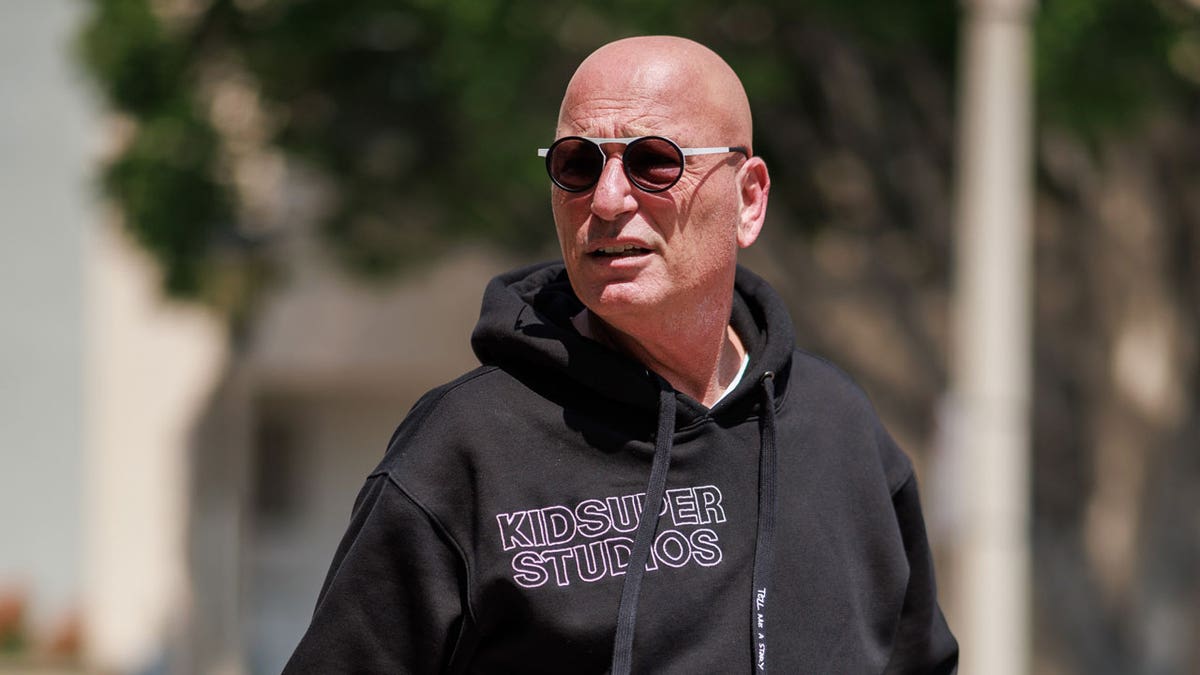
Mandel has publicly acknowledged, in carefully framed interviews, that medication is part of his treatment plan. Mental health professionals stress that medication, when prescribed and monitored by qualified clinicians, can be an effective component of managing OCD and anxiety disorders.
Experts also emphasize that treatment plans are highly individualized and often include a combination of therapy, medication, lifestyle adjustments, and ongoing support. Mandel’s willingness to discuss this aspect of his care has contributed to broader conversations about reducing stigma around mental health treatment.
A Moment That Caught Viewers’ Attention
In September 2023, Mandel surprised viewers during a televised appearance on The Voice when he briefly embraced country music star Reba McEntire on stage. The moment stood out because Mandel is widely known for limiting physical contact due to his condition.
Media coverage of the interaction focused on the contrast between Mandel’s usual boundaries and the spontaneity of the moment. Commentators noted that isolated actions do not negate ongoing mental health challenges, a point frequently highlighted by clinicians who caution against oversimplifying complex conditions.
Mandel later addressed the public reaction in interviews, clarifying that occasional moments of comfort do not mean his condition has disappeared. Mental health professionals support this explanation, noting that symptoms can fluctuate and that progress is rarely linear.

Advocating for Mental Health Awareness
Over the years, Mandel has become one of the more visible advocates for mental health awareness within the entertainment industry. By speaking openly in mainstream media, he has helped normalize conversations about anxiety, OCD, and treatment.
Public health experts often emphasize the value of high-profile individuals sharing accurate, responsible information about mental health. Such discussions can encourage others to seek help and understand that mental health conditions are medical issues, not personal failings.
Family and Personal Support
In interviews with reputable outlets, Mandel has also highlighted the importance of family support. He has been married for several decades and has three adult children. Mental health professionals consistently point to strong support networks as a key factor in long-term well-being.
Balancing family life with a demanding career can be challenging, but stability at home is often cited as a source of grounding for individuals managing chronic mental health conditions.

Continuing the Conversation
Howie Mandel’s story illustrates the complexity of living with OCD while maintaining a highly visible and demanding career. His experience aligns with medical understanding that mental health conditions can coexist with professional success, creativity, and public engagement.
By relying on verified information, expert guidance, and open discussion, Mandel’s public disclosures contribute to a more informed understanding of mental health. His journey reinforces the importance of compassion, accurate reporting, and continued dialogue around conditions that affect millions worldwide.
As awareness grows, stories like Mandel’s help shift the focus from stigma to support, reminding audiences that mental health management is an ongoing process—one that deserves respect, understanding, and evidence-based care.